Brings Rare Earth Recycling Closer to Society
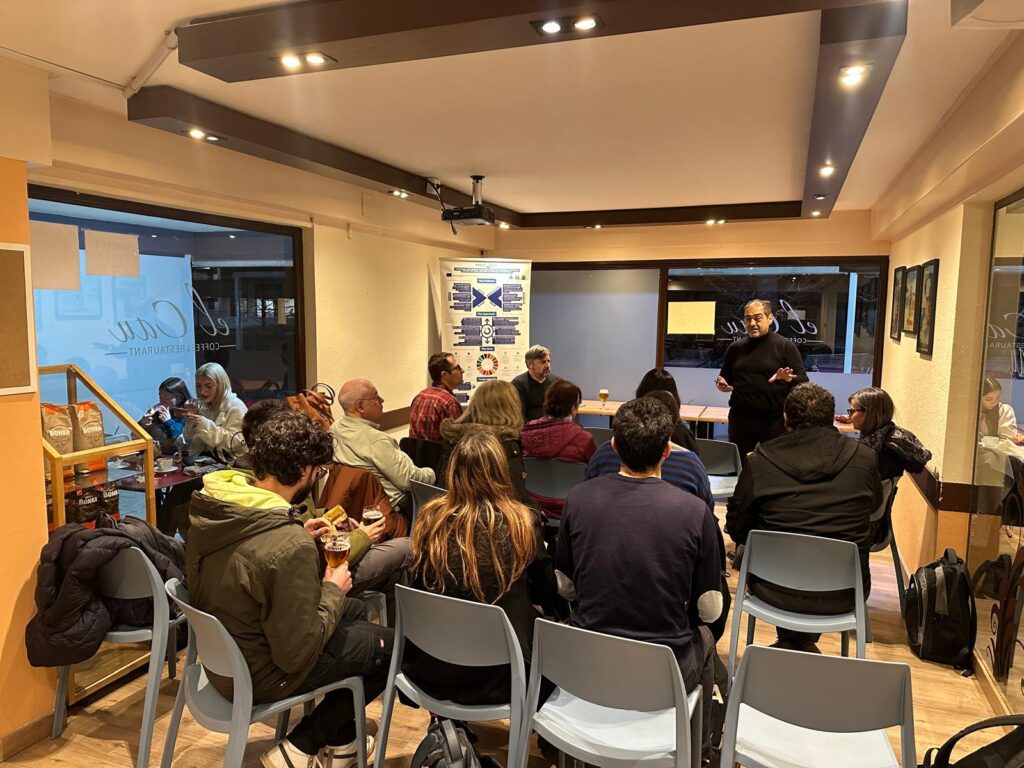
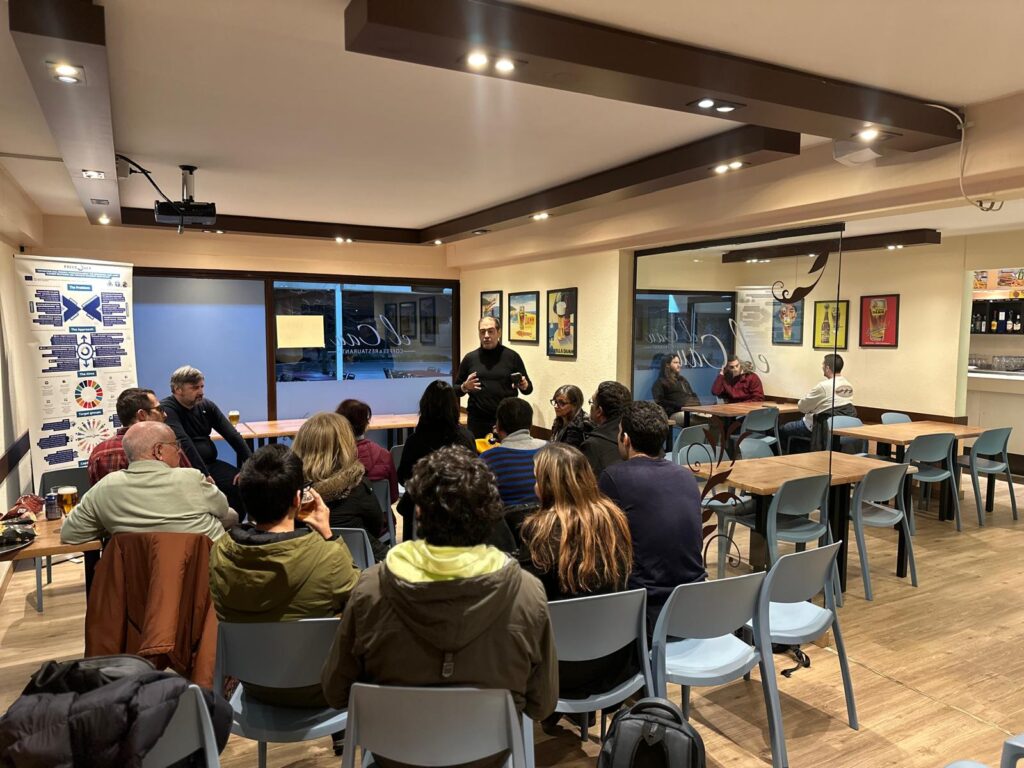
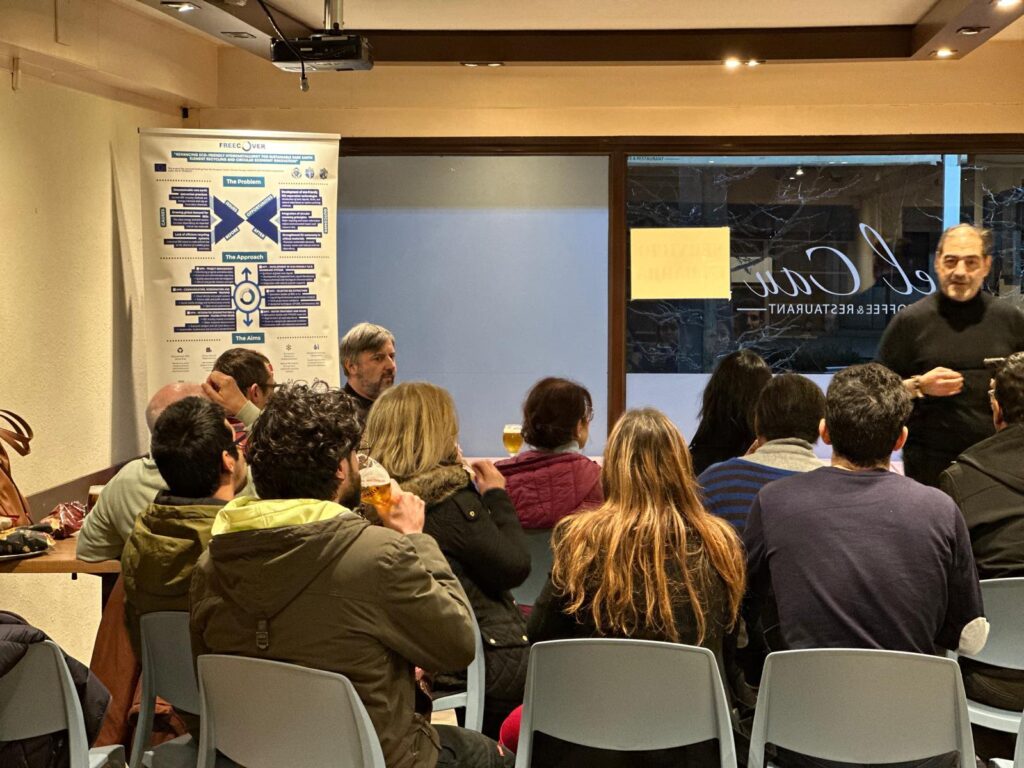
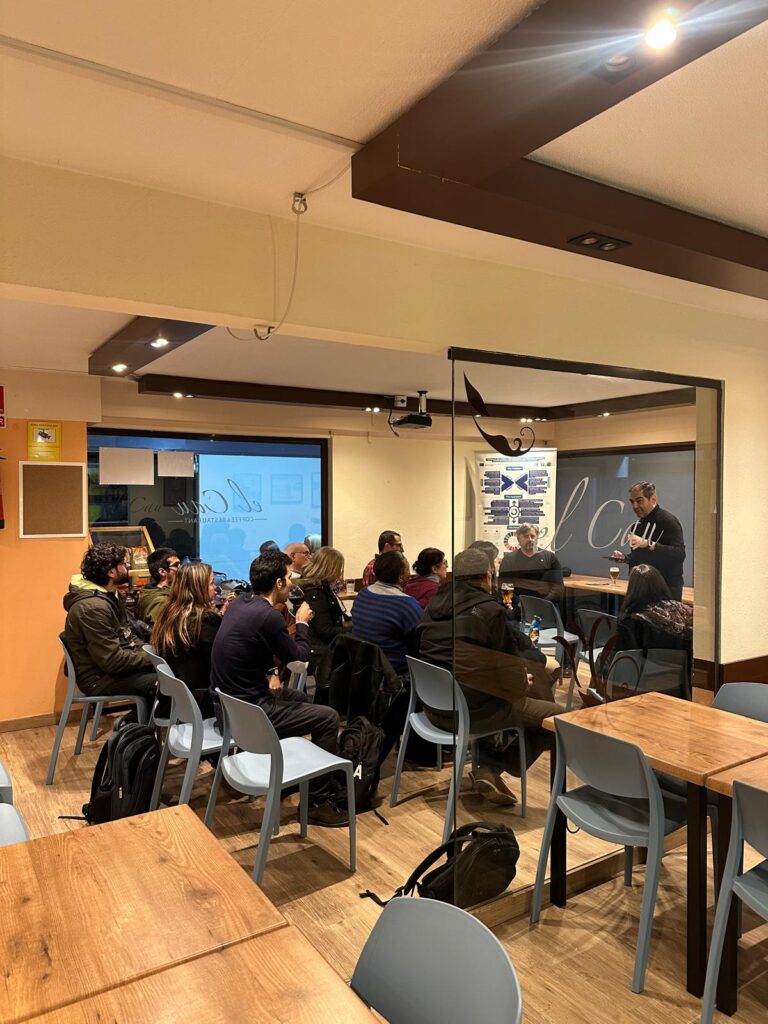
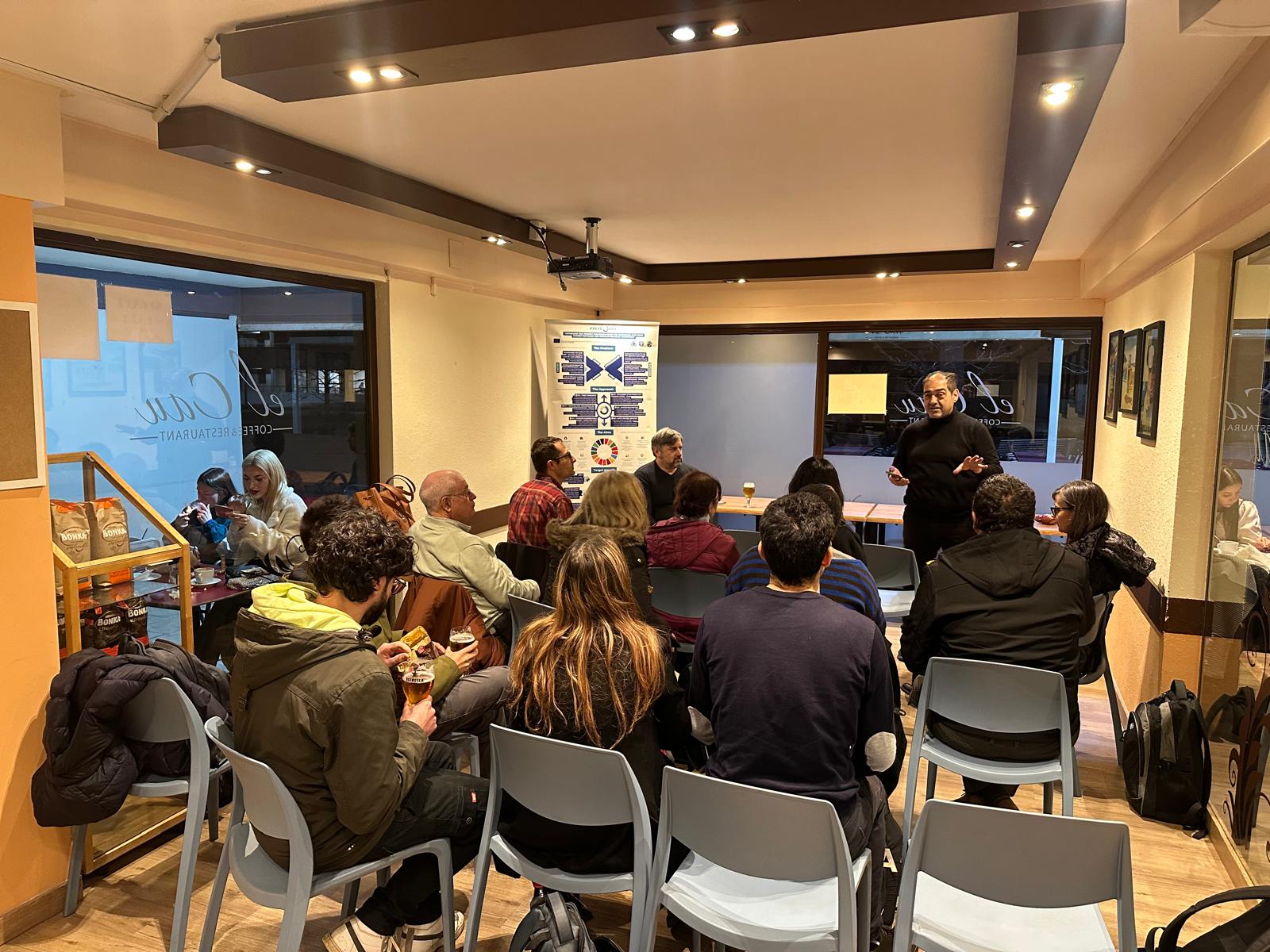
On the evening of 22 January 2026, the FREECOVER project hosted an engaging Science Café at the Universitat Autònoma de Barcelona (UAB), creating an open and informal space where researchers, students, and members of the public came together to discuss one of the hidden challenges of the green transition: Rare Earth Elements (REEs) and their sustainable recycling.
Titled “The Hidden Metals of the Green Transition—Can We Recycle Them Better?”, the event was led by Prof. Andrea Melchior (University of Udine) and organised as part of FREECOVER’s Marie Skłodowska-Curie Staff Exchanges (MSCA-SE) outreach and public engagement activities. The Science Café format encouraged dialogue beyond traditional academic settings, allowing participants to explore complex scientific topics through conversation and shared perspectives.
Making Critical Materials Visible
Rare Earth Elements are essential components in many clean and digital technologies, including electric vehicles, wind turbines, smartphones, medical devices, and renewable energy systems. Despite their importance, these materials often remain “invisible” to the public, and their supply chains pose significant environmental, geopolitical, and sustainability challenges.
During the discussion, Prof. Melchior explained how Europe currently relies heavily on imported critical raw materials and why improving recycling and recovery technologies is key to strengthening strategic autonomy while reducing environmental impact.
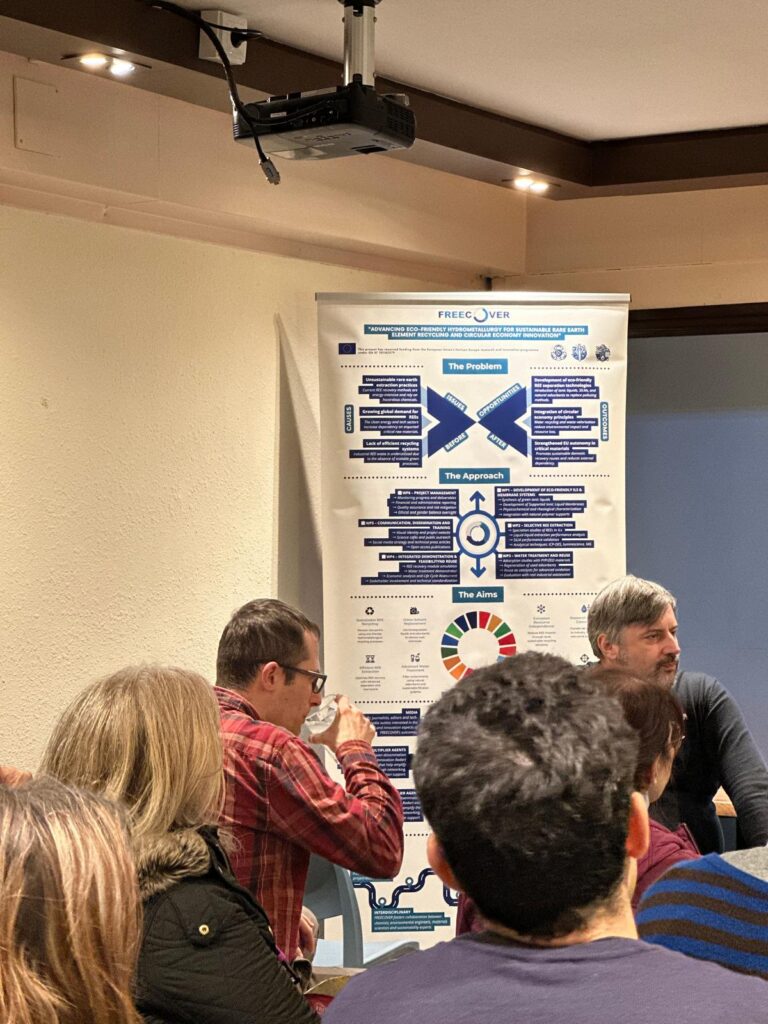
Participants learned how FREECOVER is addressing these challenges by developing:
- eco-friendly hydrometallurgical processes
- bio-derived ionic liquids
- natural adsorbents such as zeolites
- innovative recovery and separation techniques
- sustainable lifecycle assessment approaches
These solutions aim to replace conventional, energy-intensive extraction methods with greener, low-impact alternatives.
Science Meets Society
Unlike formal conferences or lectures, the Science Café provided a relaxed setting that encouraged questions, discussion, and interaction. Attendees exchanged ideas directly with researchers, exploring both the technical aspects of recycling and the broader societal implications of critical materials use.
Topics ranged from:
- how magnets from electronic waste can be recycled
- why rare earths are difficult to substitute
- the environmental costs of mining
- the role of circular economy strategies
- how EU-funded research supports sustainable innovation
This two-way exchange highlighted the importance of connecting research outcomes with everyday life and demonstrated how scientific innovation can contribute to real-world sustainability solutions.
Supporting MSCA’s Public Engagement Mission
The Science Café reflects the core objectives of the MSCA Staff Exchanges programme, which promotes not only research excellence and international collaboration but also communication with society. By making science more accessible and understandable, FREECOVER helps build awareness, trust, and interest in sustainable technologies among broader audiences.
Events like this also provide valuable opportunities for early-career researchers to develop communication skills and for citizens to better understand how European research funding contributes to environmental and economic resilience.
Looking Ahead
The positive participation and lively discussions at UAB confirmed the value of Science Cafés as a tool for bridging the gap between laboratories and society. FREECOVER will continue to organise similar outreach activities across partner institutions to ensure that research on Rare Earth recycling and circular economy solutions remains connected to the communities it ultimately serves.
By combining science, dialogue, and collaboration, FREECOVER continues to demonstrate that innovation is strongest when it is shared.