FREECOVER Partners Meet in Udine to Review Mid-Term Progress and Advance Sustainable Rare Earth Element Recycling
Udine, Italy | 14–15 July 2026
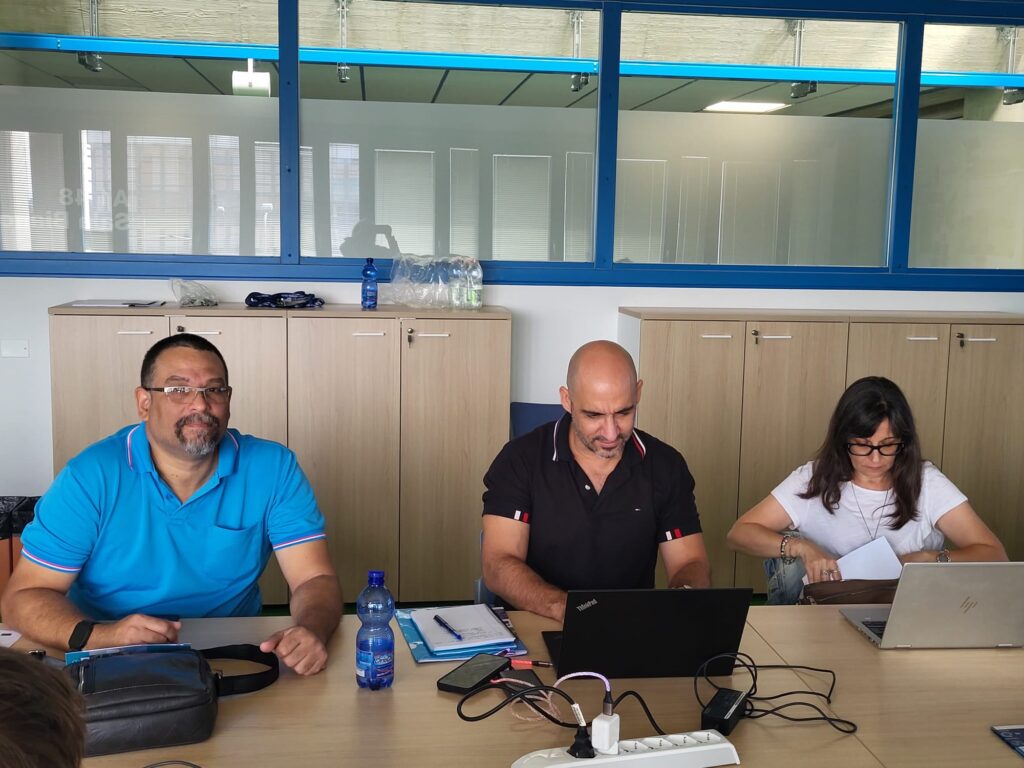
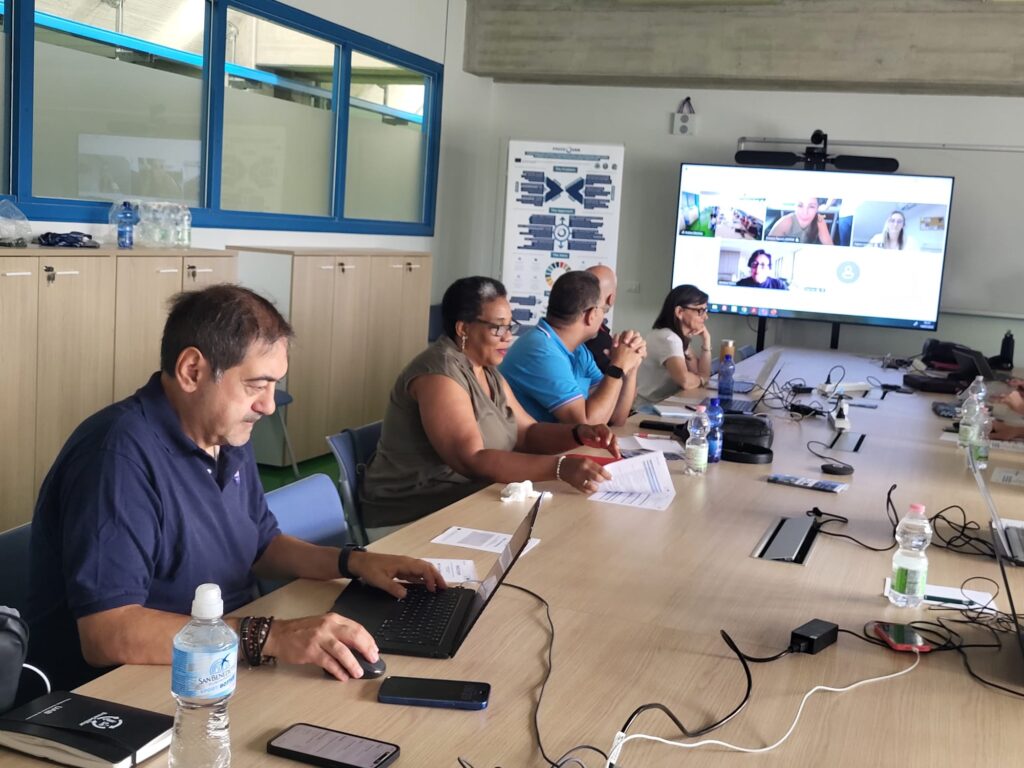
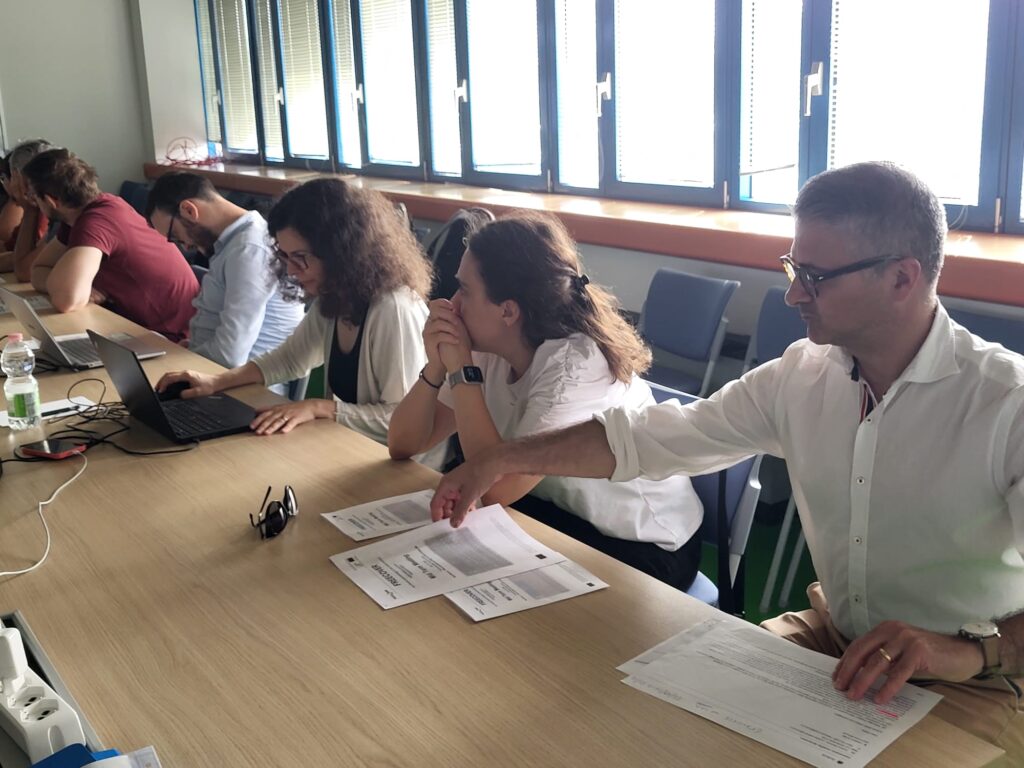
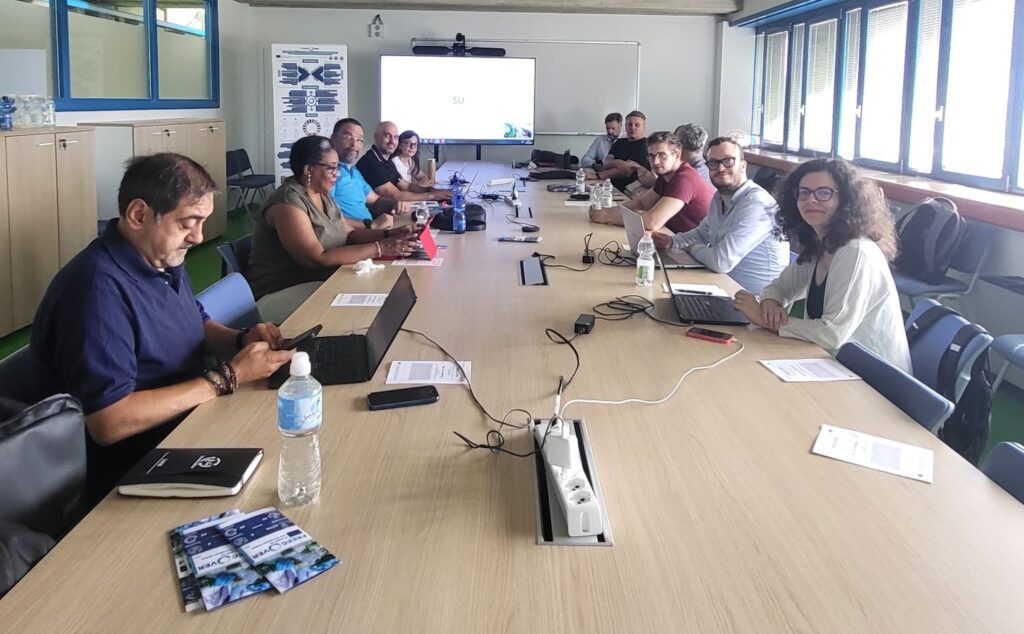
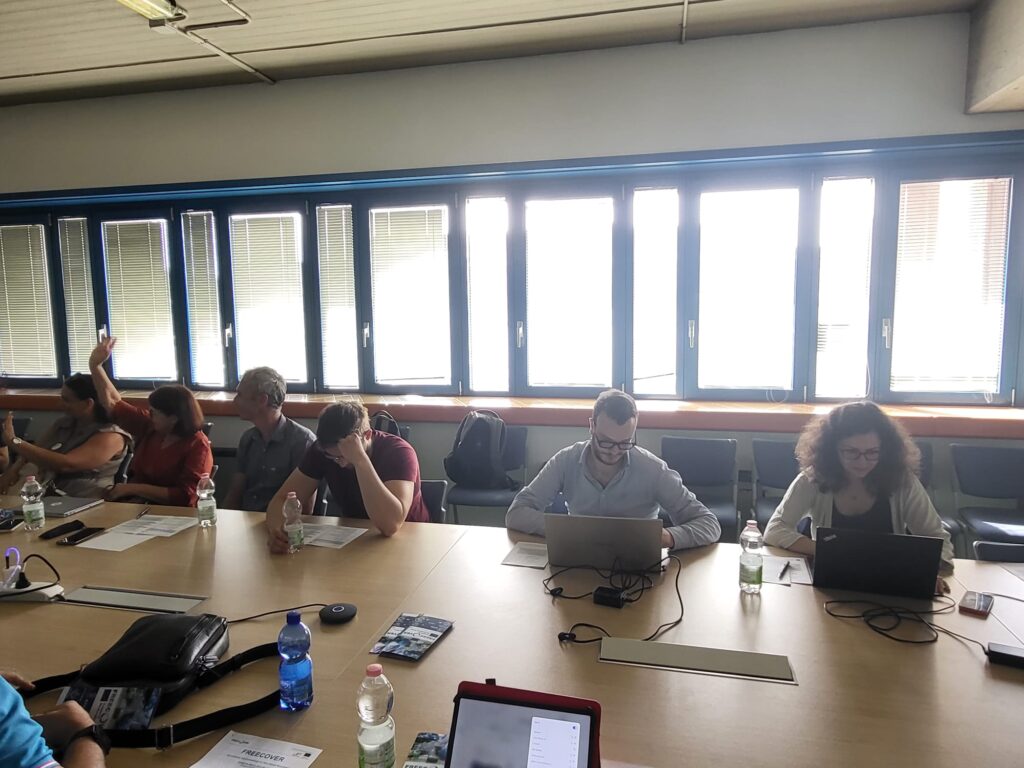
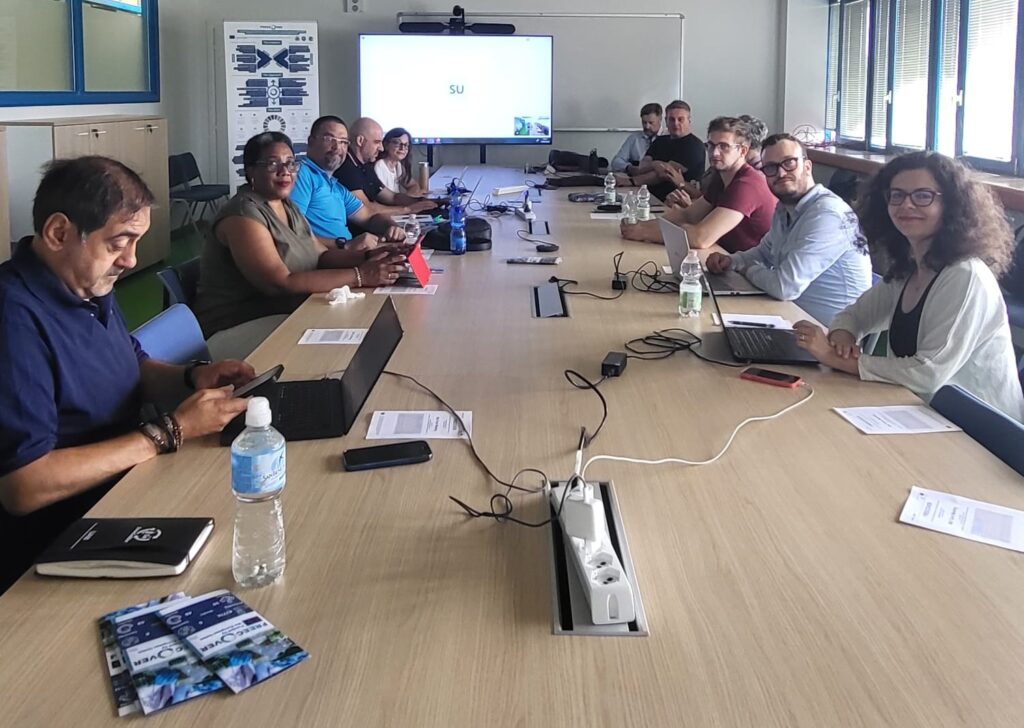
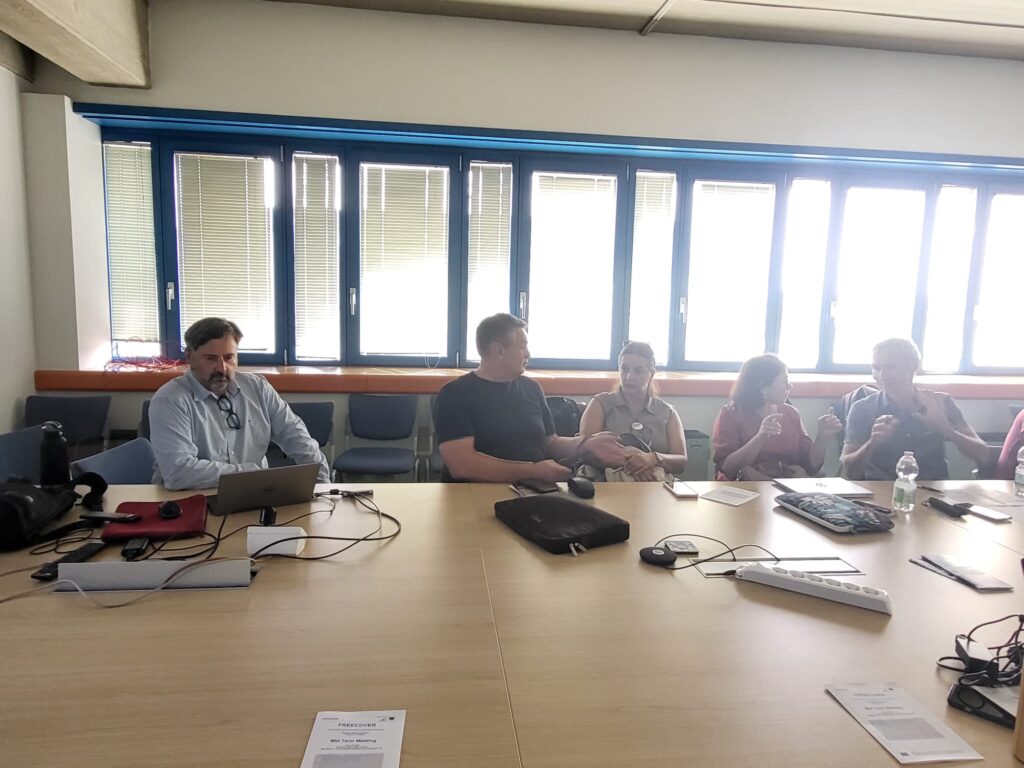
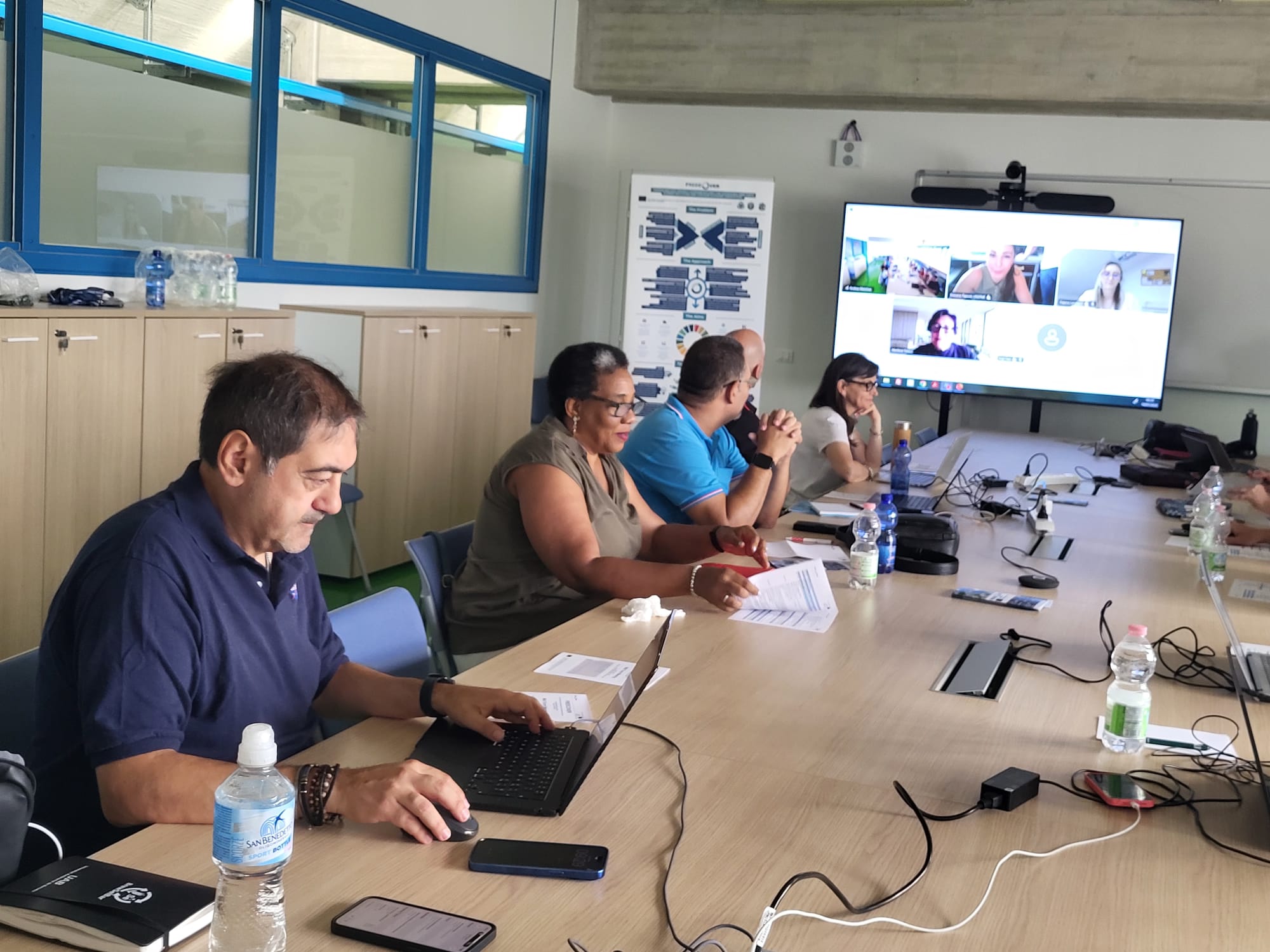
The FREECOVER consortium gathered at the University of Udine (UNIUD), Italy, for its M18 Project Meeting, bringing together partners from across Europe and Cuba to review the project’s scientific progress, strengthen collaboration, and coordinate the next phase of activities under the Horizon Europe MSCA Staff Exchanges Programme.
Hosted by the University of Udine, the two-day meeting provided an important opportunity for researchers, industrial partners, and communication experts to assess achievements during the first eighteen months of the project and align future research, secondments, dissemination, and exploitation activities.
Throughout the meeting, consortium partners presented the latest progress across all work packages, covering eco-friendly hydrometallurgical technologies for the sustainable recovery of Rare Earth Elements (REEs) from end-of-life permanent magnets. Scientific discussions highlighted advances in eco-friendly ionic liquids, supported ionic liquid membranes, natural adsorbents, process integration, sustainability assessment, and pilot-scale development.
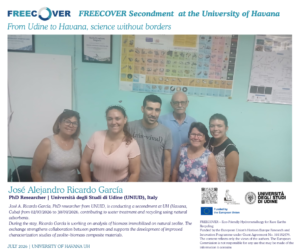
A major focus of the meeting was the exchange of knowledge generated through the MSCA Staff Exchanges programme. Researchers shared the outcomes of international secondments, demonstrating how mobility between partner institutions has strengthened scientific collaboration, transferred specialised expertise, and supported the development of innovative recycling technologies for critical raw materials.
The meeting also featured dedicated sessions on project management, communication and dissemination, exploitation strategy, and future collaboration opportunities. Partners reviewed the project’s growing visibility across Europe through scientific events, workshops, newsletters, website news, social media activities, and stakeholder engagement initiatives coordinated within Work Package 5 (Communication, Dissemination and Networking).
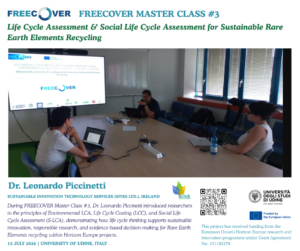
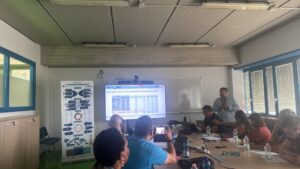
In parallel with the project meeting, FREECOVER organised a scientific workshop featuring invited experts from consortium institutions, providing participants with valuable insights into recent developments in analytical chemistry, life cycle assessment, sustainable separation technologies, and circular economy approaches for Rare Earth Element recovery.
The M18 meeting confirmed that FREECOVER is successfully progressing towards its objectives by combining scientific excellence, international researcher mobility, interdisciplinary collaboration, and effective communication to accelerate sustainable solutions for Europe’s critical raw materials.
As the project enters its next implementation phase, consortium partners will continue expanding research collaboration, supporting additional staff exchanges, disseminating scientific results, and engaging with stakeholders to maximise the impact of FREECOVER across the European research and innovation community.
About FREECOVER
FREECOVER (Eco-Friendly Hydrometallurgy for Rare Earths Recycling) is a Horizon Europe MSCA Staff Exchanges project (Grant Agreement No. 101182579) coordinated by the University of Udine.
The project develops sustainable hydrometallurgical technologies for recovering Rare Earth Elements from end-of-life permanent magnets using environmentally friendly approaches based on natural acids, bio-based ionic liquids, supported ionic liquid membranes, and natural mineral adsorbents. Through international staff exchanges, FREECOVER promotes knowledge transfer, interdisciplinary collaboration, and innovation to strengthen Europe’s circular economy and secure the sustainable supply of critical raw materials.
For more information, visit www.freecover.eu.
Funding Statement
Funded by the European Union under the Horizon Europe MSCA Staff Exchanges programme (Grant Agreement No. 101182579). Views and opinions expressed are those of the author(s) only and do not necessarily reflect those of the European Union or the granting authority. Neither the European Union nor the granting authority can be held responsible for them.